

Welcome to our walled garden
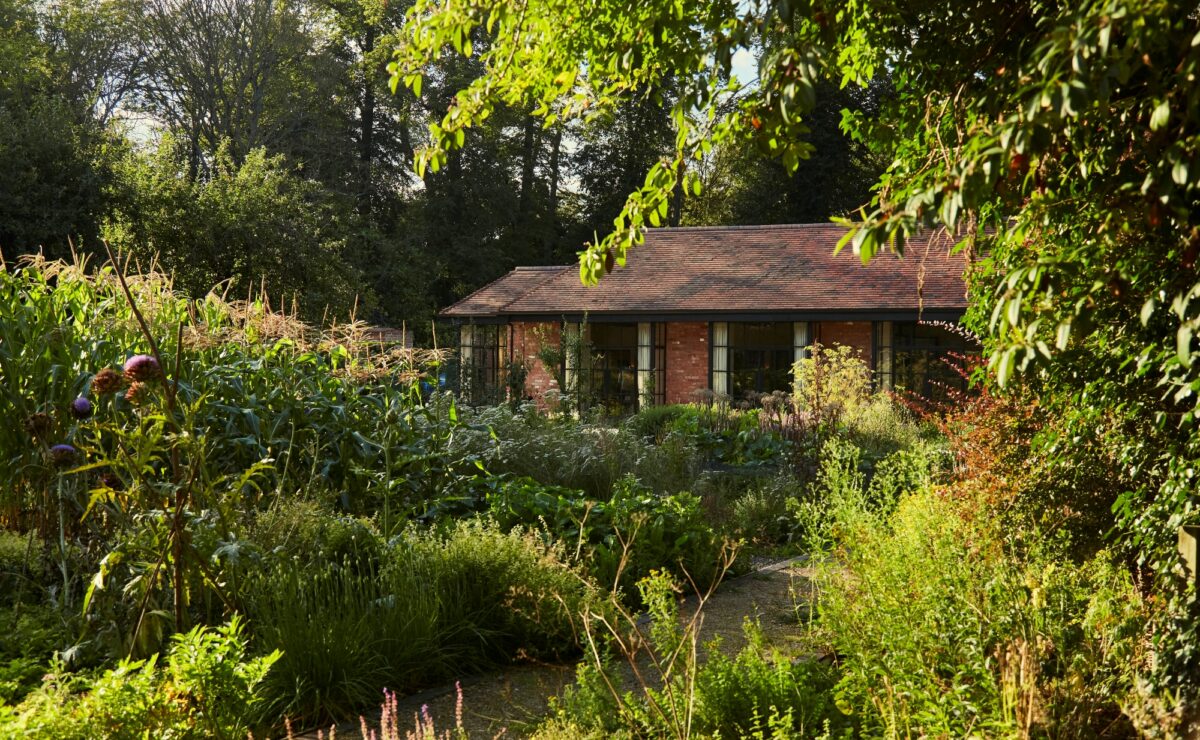
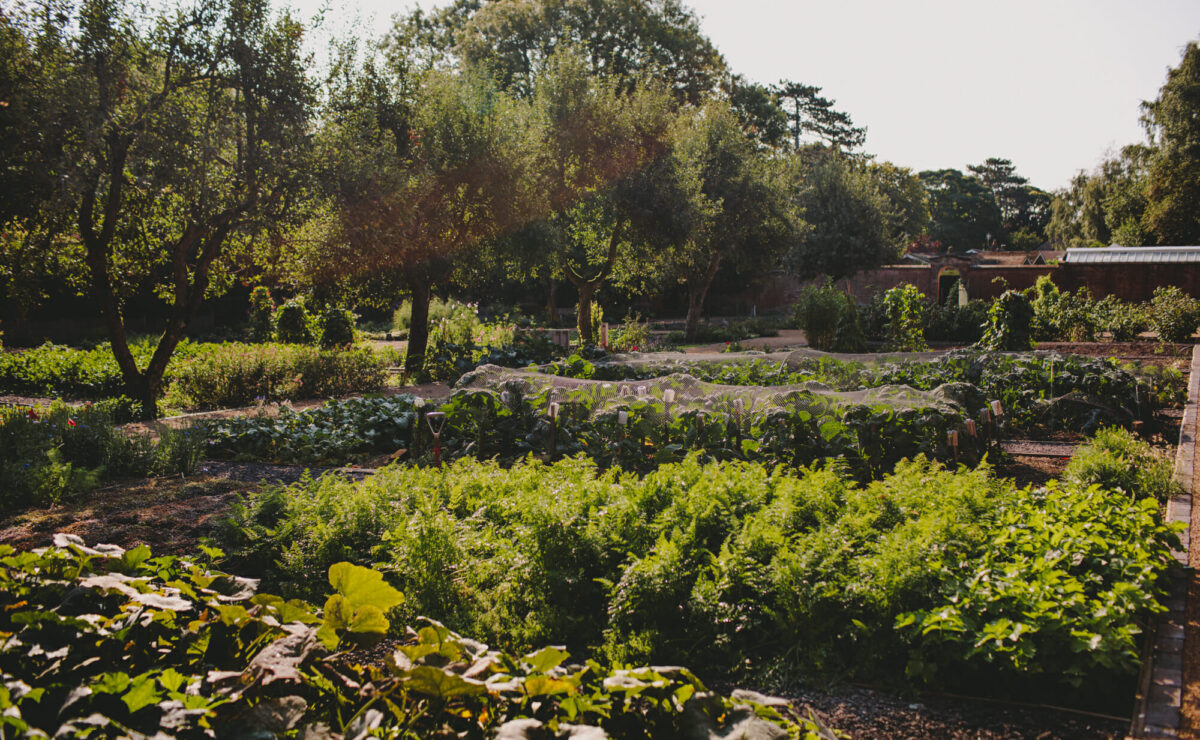
Our Victorian walled garden at Hampton Manor is a kitchen garden with biodiversity and soil health at its heart. Here we grow vegetables, fruit, flowers and herbs for our restaurants. Our key gardening philosophy is to produce food whilst supporting and working alongside nature, which is why we don’t use any chemical fertilisers or pesticides.
No-dig gardening
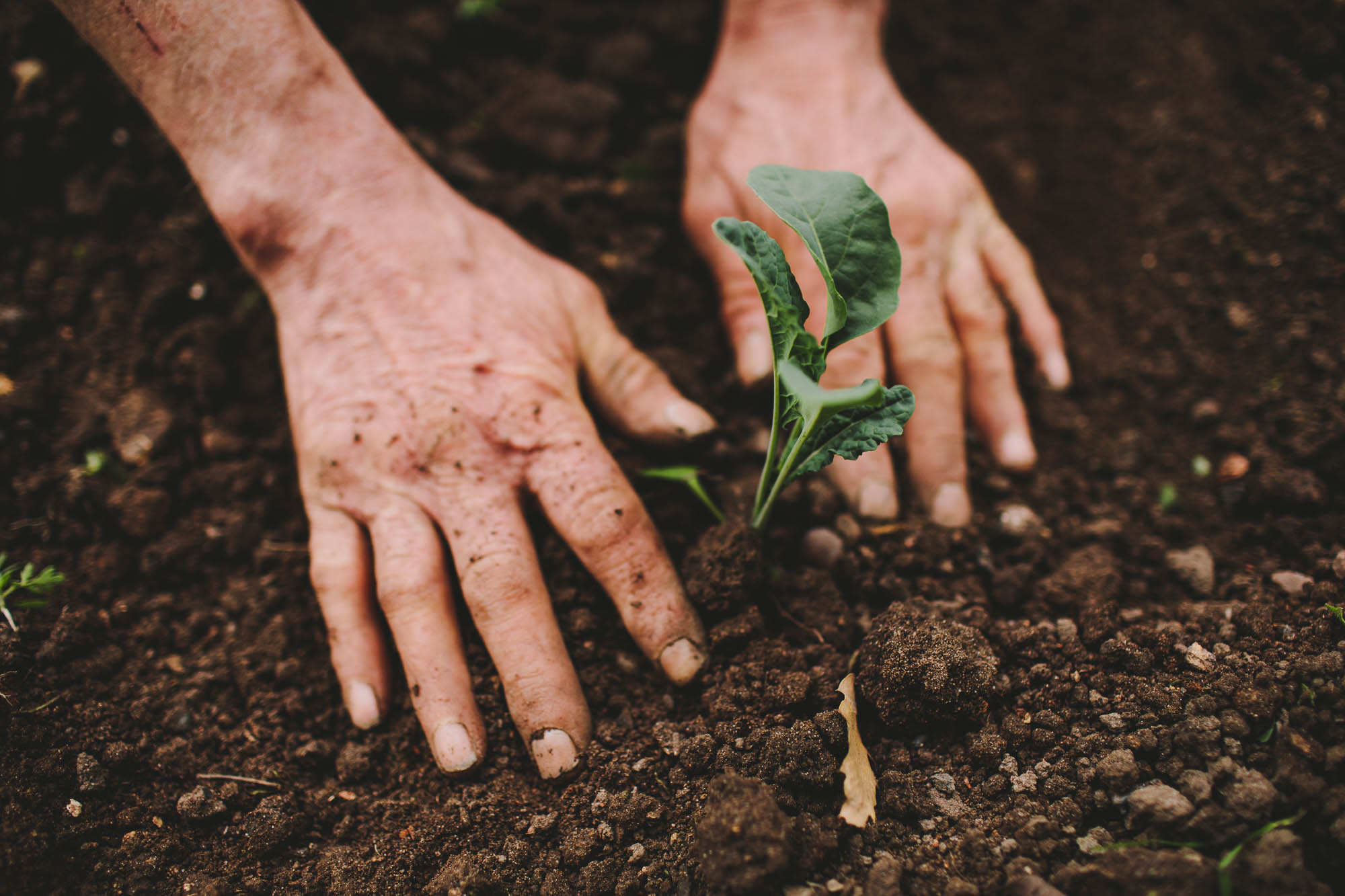
We adhere to the no-dig principles of gardening. Instead of digging the soil, over winter we protect our beds with a layer of cardboard and mulch with either compost or wood chip on top. This way we maintain the soil’s health and structure, benefiting the soil organisms within by leaving it undisturbed. With the added bonus of no back breaking digging!


Biodiversity
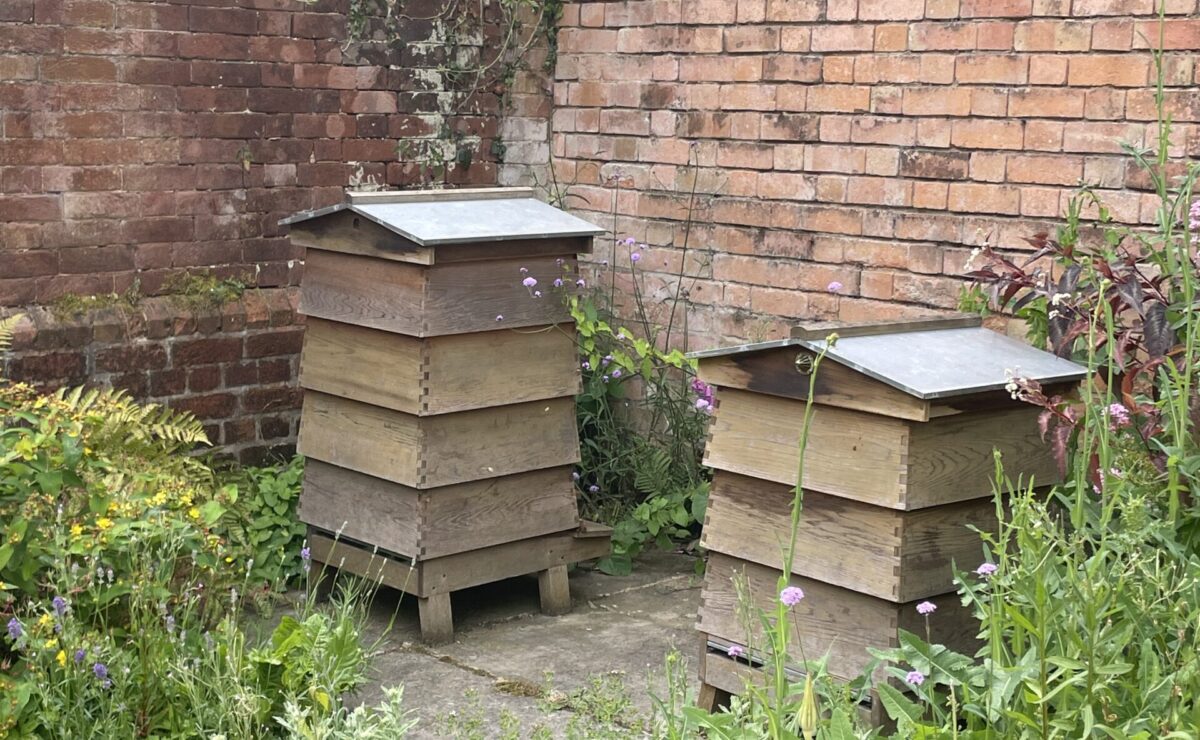
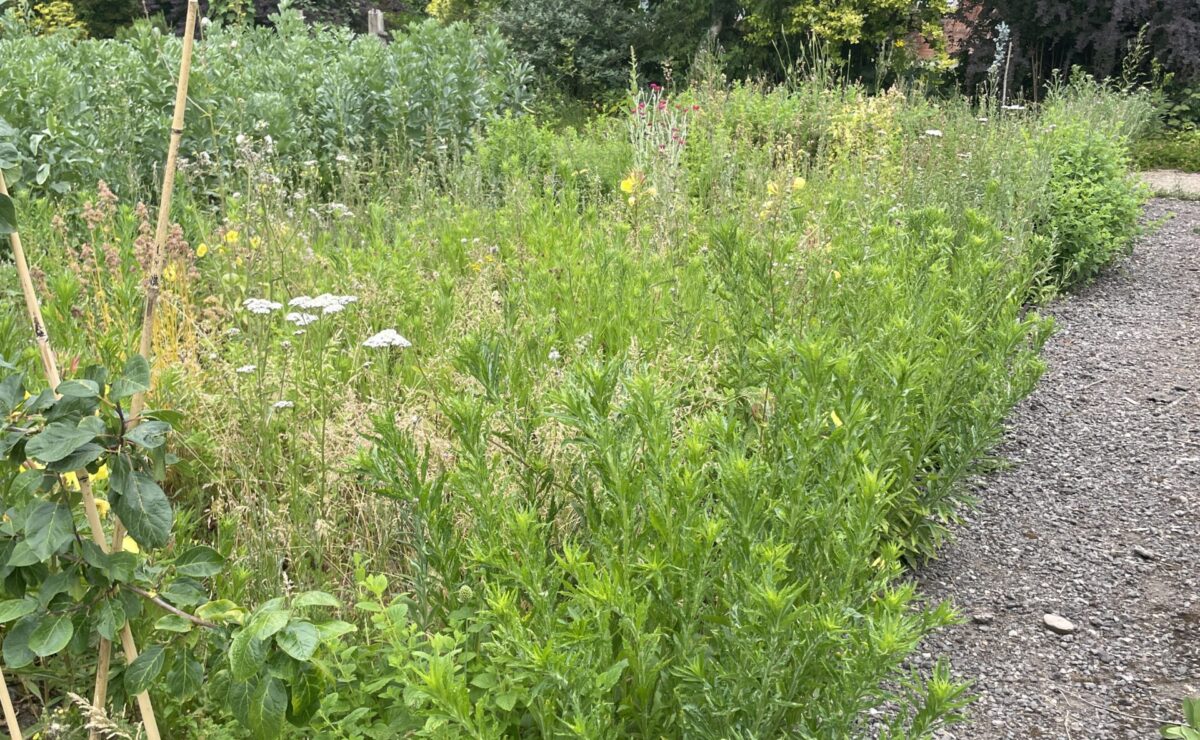
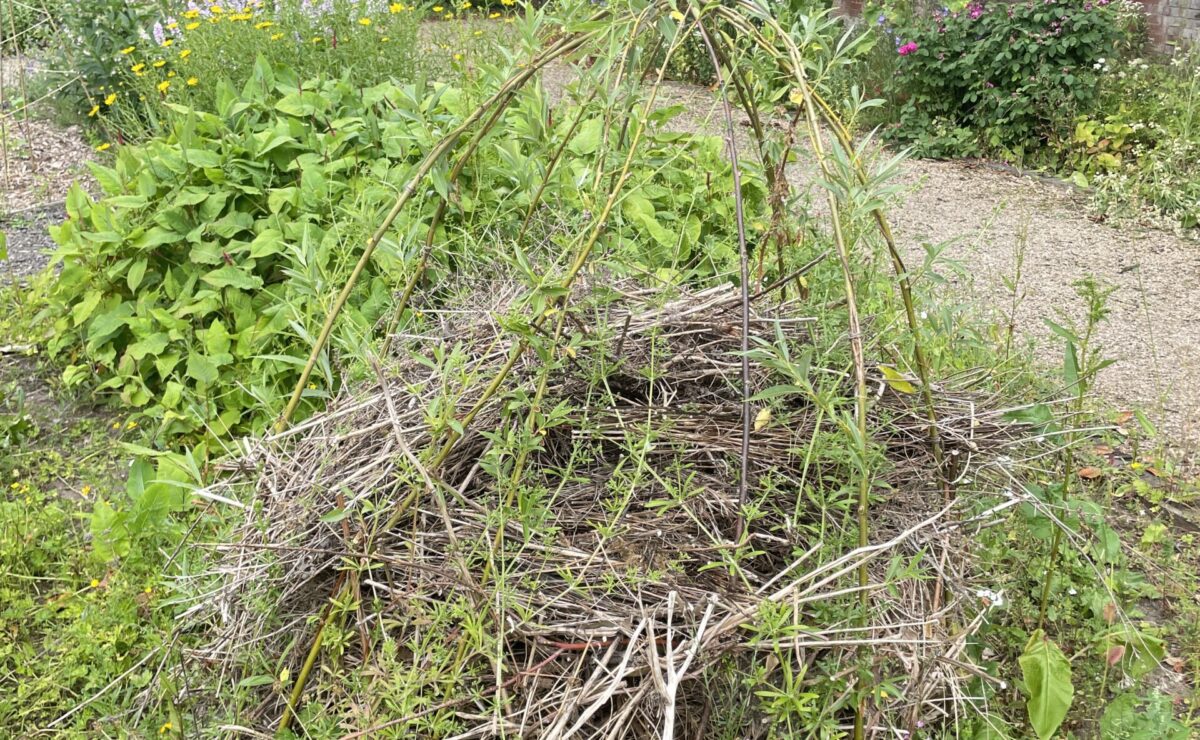
We welcome biodiversity within the garden. The greater the diversity the more beneficial it is to the garden’s health and productivity. We have several bug hotels, providing habitats for visiting insects and wildlife, helping to keep pests and diseases at bay. We have Biodiverse beds where wildflowers, weeds and herbage remain undisturbed, to attract pollinators and other beneficial insects. Bees play a key role in our garden by contributing to its biodiversity, helping to pollinate plants, and last but not least providing us with delicious honey! There are 7 bug hotels dotted around our garden, 2 biodiverse beds and 2 beehives. Have you spotted them all?

Compost
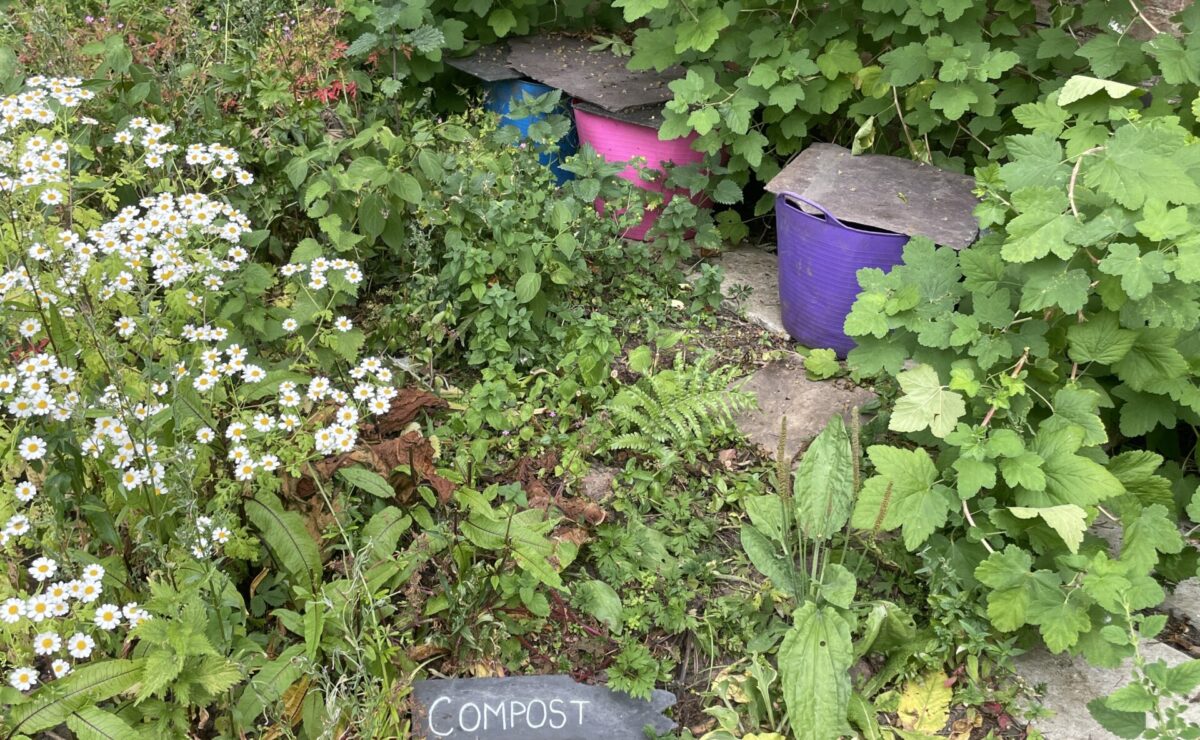
Compost is gold in gardening. Here at Hampton Manor we turn both our garden waste and the restaurant’s food waste into compost. Our hot bin composter turns pretty much anything edible, except hard bones and seashells, into compost, which hugely contributes to reducing food waste going off-site to an anaerobic digestion facility. After a few months of maturation, the newly produced compost goes straight back to the garden. Closing that loop, right?
Feed the soil naturally
As we don’t use any chemical fertilisers, we make our own compost teas. Comfrey tea is rich in potassium and aids fruiting and flowering – we use it for plants like tomatoes and berries. Nettle tea is high in nitrogen, helping plants to grow strong and healthy. You might find an odd barrel or two of our homemade compost teas in a hidden corner of our garden. Although they are highly nutritious and our plants love them, beware – they can be a bit smelly!
Circulating resources
As well as making our own compost and tea, we try to circulate our resources back to the nature as much as we can. We have 45 acres of land, which needs regular forestry work. Thinned branches and coppices are shredded into woodchip, or we use them as stakes in our garden. We receive a lot of wool packaging or cardboard through our suppliers, which we use to cover the ground because they are great to suppress weed. Wool packaging is also very much loved by birds in spring to build their nest. If you see them flying around the garden in spring time, we are leaving them out on purpose to supply building materials for our beloved birds.
Our gardeners
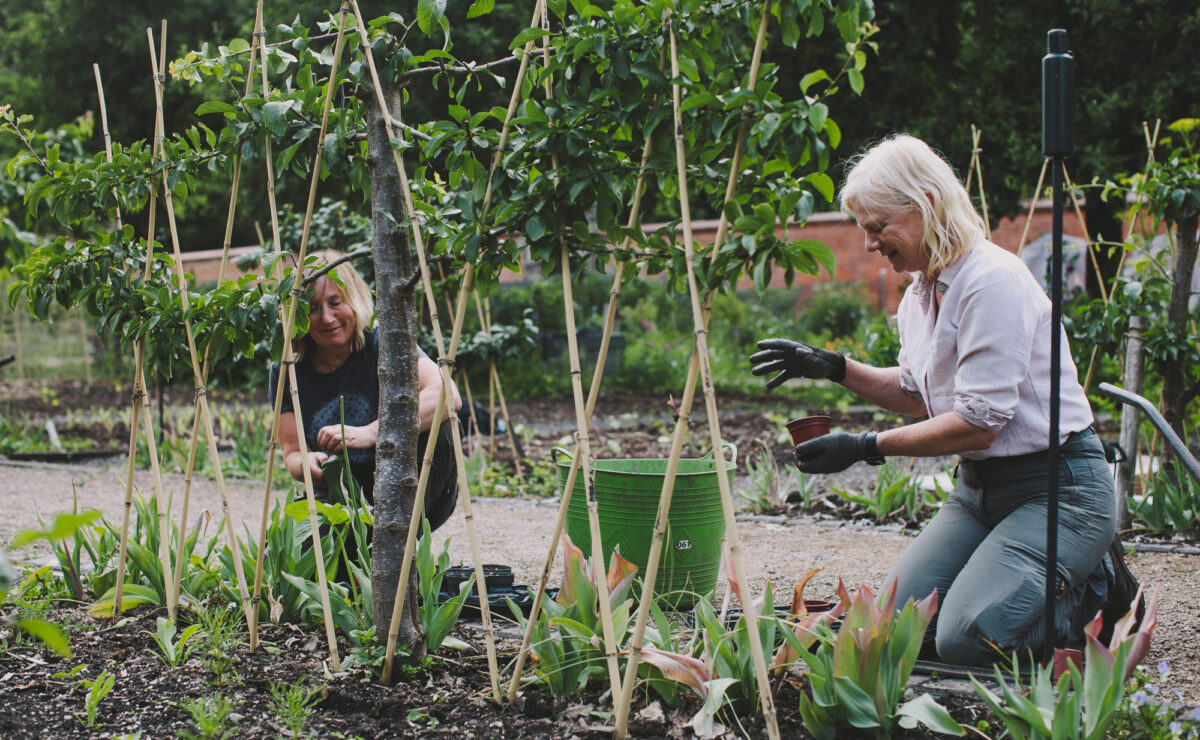
Lesley and Caroline are the heroes of our garden. With almost four decades of professional experience between them, they are in constant conversation with our chefs in between their propagating, watering, planting and weeding jobs. You might find them in our garden covering beds with compost, planting new crops or weeding. Come and say hi! They’d love to hear from you.
Dive deeper?
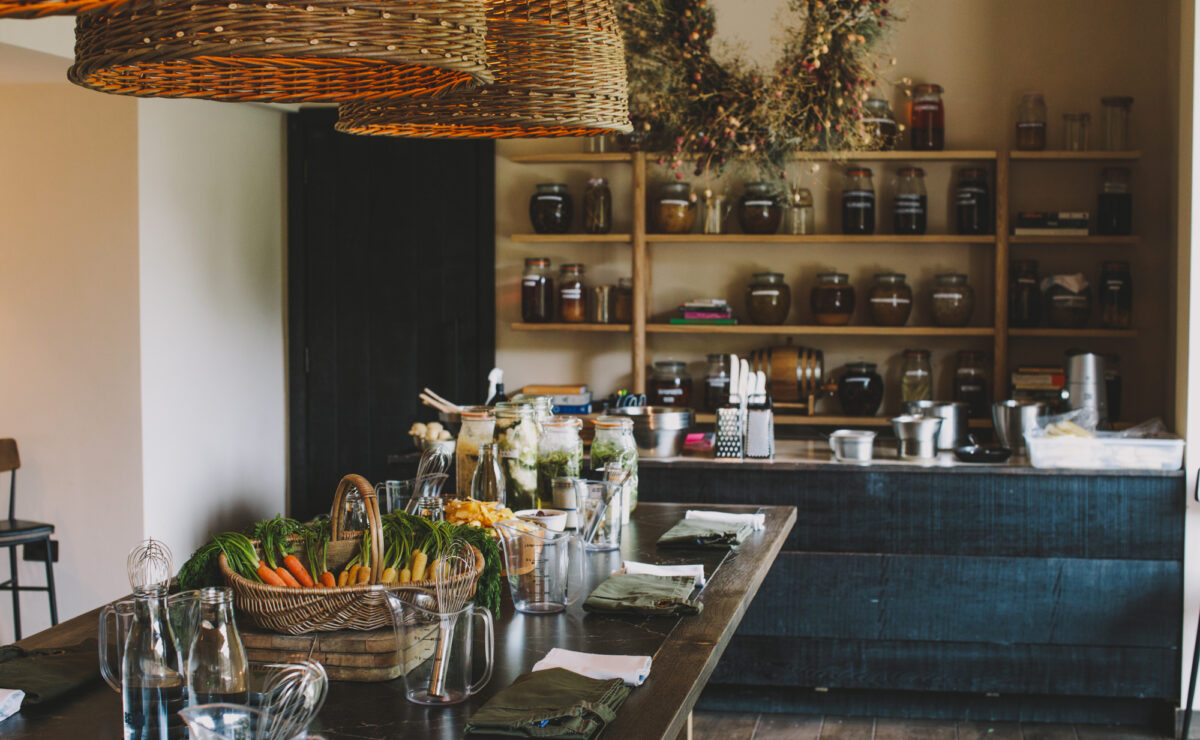
If you want to learn more about our garden, our cookery school runs garden-based workshop regularly. The Larder: Fermentation Basics is all about easy ferments like saurkraut and herbal soda to turn your garden gluts into something healthy and tasty. Or you can join Focaccia and Forage workshop making focaccia with garden foraging.