
ROOTS TO RESTAURANT – Huntsham
RICHARD VAUGHAN, HUNTSHAM FARM
‘Like getting premier cru wines at cru bourgeois prices.’
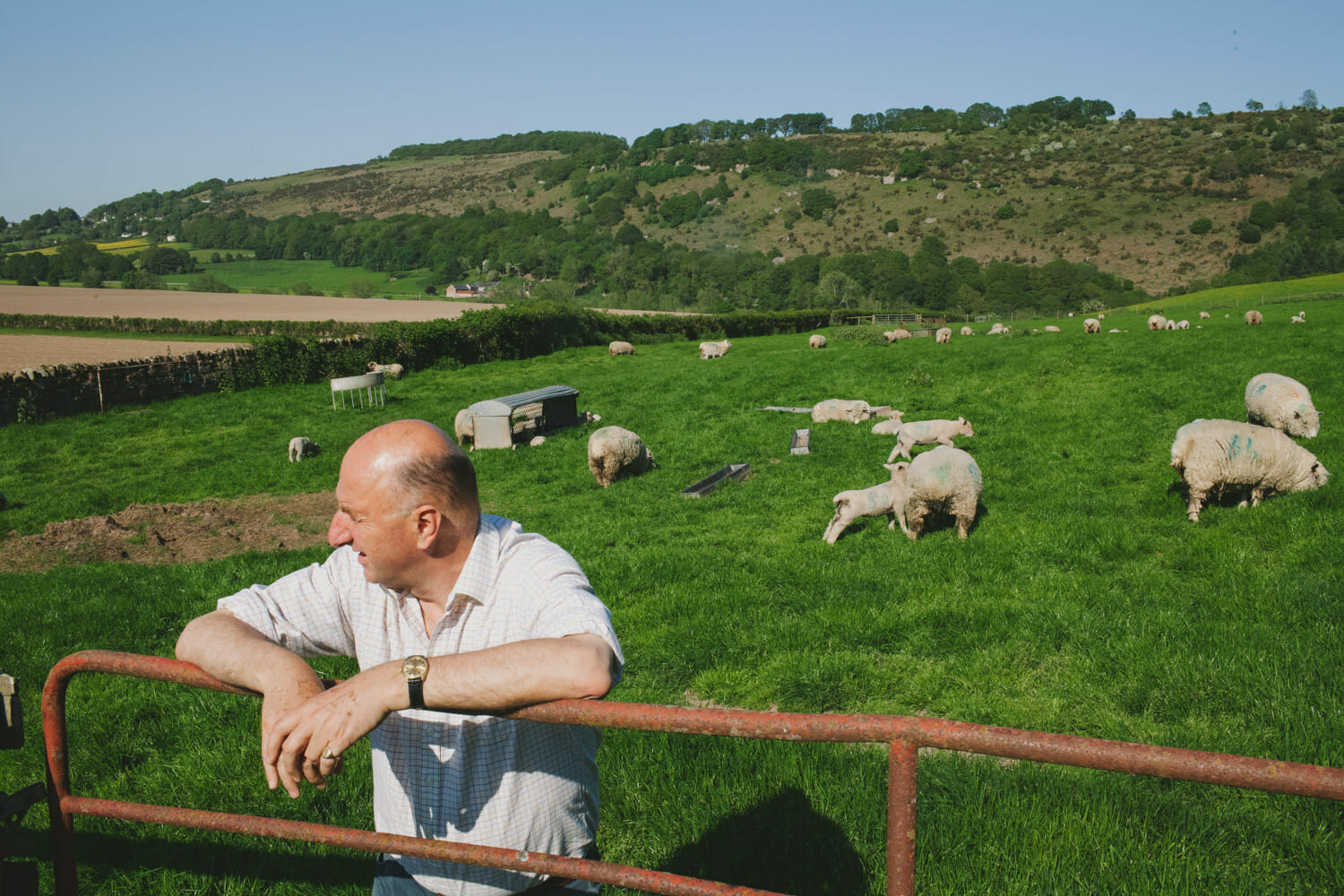


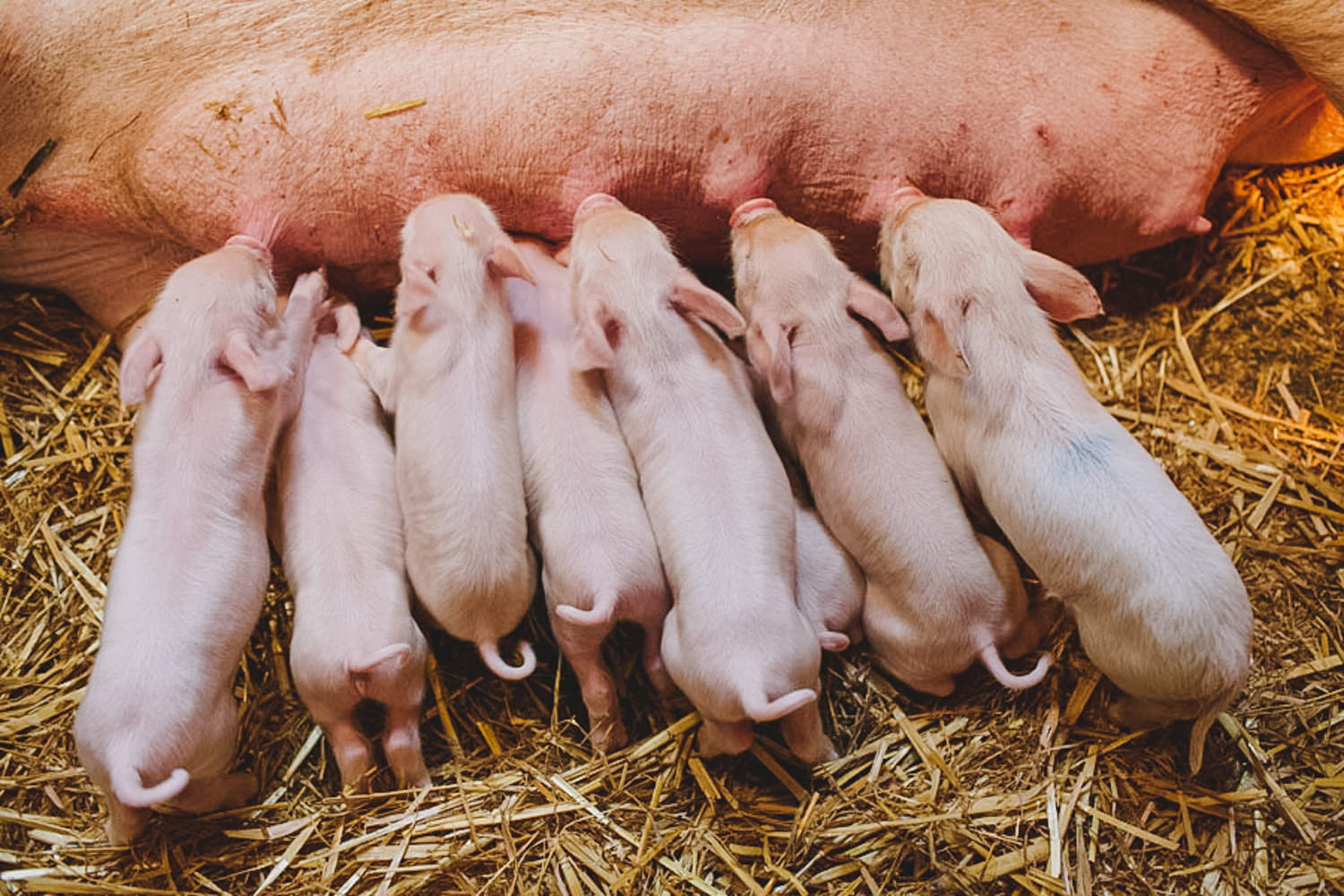
In the UK we don’t pay high margins for food. With wine we’re happy to pay premiums, expecting to pay more for a better bottle. Not so with our food. At Huntsham Farm Richard Vaughan specialises in rare breed meat: middle white pork, Longhorn beef and Ryeland lamb. His business model is based on creating a market for producing meat in the way that the great châteaux of the world produce wine. It’s a grape vs pig story.
Eyes Opened: ‘At 21 I found myself running the farm on my family’s estate. I decided to go into producing industrial beef and started supplying an abattoir in Southampton. One day I gave them a call to ask if I could have some of my meat back to see what we were achieving, and there were roars of laughter on the other end of the phone. They said to me ‘come on Richard, don’t make the mistake of thinking that this meat’s for eating. It meets the supermarket’s specifications. They don’t know and they won’t be told that that’s not good quality, good tasting beef. I felt quite gutted that the effort I was going to was essentially a pointless exercise.
Grape vs breed: ‘I hung up the phone, closed the feedlot down, and opened up part of the farm as a rare breed farm where people would pay to pat the pig. I wanted only world-class examples of the animals that we were showcasing, and those that we bred that didn’t cut the mustard, we ate. It became clear to us just how different each breed tasted.
‘Breed is very important. The middle white is the only pig bred specifically as a pork pig. The other breeds are predominantly bacon pigs which are lean and come with a large arse that supermarkets use for bacon. The fact that they taste like cardboard doesn’t seem to fuss anyone at all.’
Vineyard vs farmyard: ‘We very much want to give the pigs an outstanding life before they give us fantastic meat. Compared to a commercial farm we are very welfare friendly and proud of what we do. It is very expensive, particularly in labour and straw, but it’s worth it.’
Route to market: ‘The difficulty with meat is that the farming food chain looks at flavourful, healthy pork and says ‘that has fat on it, I’ll pay you half the price for it.’ Supermarkets use the EUROP grid classification system which judges meat by its shape and fat covering. This has nothing to do with the taste of the animal, and the flavour comes from the fat. Those who don’t like fat should look on it like the sediment in a good bottle of wine – you don’t drink it but it needs to be there.
The way to get around it is to sell to the end-user who understand what they’re buying: we sell directly to private individuals and restaurants. Cutting out the middle man also means that we can make our prices more competitive and use a less productive animal, give it a better life, and produce something that’s good to eat. Our prices are on par with good supermarkets like Waitrose.’
Is it a business model that works? ‘We started by selling to the farm’s existing customers, but we needed to grow our customer and production base simultaneously. I sent a sample of my meat to the food editor of the Financial Times, Jill James. When she called me up she said she knew about meat: she had a great butcher in London but, she said, she’d never tasted anything quite like my pig. She bought half a pig and wrote about it: ‘the pig pork was a revelation. It was sweet, succulent and full of flavour.’ The phone started ringing off the hook. Word spread from journalists to chefs to private buyers.’
Nose to Tail: ‘We sell to buyers who want to make the whole animal delicious. We need to be able to sell all the bits of the animal – it’s nose to tail eating and the result is delicious. If we’re having a dinner party my wife will cook a middle white rolled loin. Shoulder is fattier and delicious, and belly you can make really scrummy. Giles Coren wrote a rave review of The Glasshouse at Kew, describing ‘a lovely pale, herby, skinless Middle White sausage.’ I gave Head Chef Anthony Boyd a call to find out exactly how he’d managed to cook the sausages like this. He said ‘I put them in a frying pan but, rather than turn the stove on, let them cook from all of the residual heat from the other dishes on the stove. I cook them for about four hours like this until they resemble boudin blanc (white sausage).’
Richard’s Recommendations: ‘I’ve been fortunate to dine at a lot of the restaurants that we supply. We look after about 1/3 of the Michelin-starred restaurants in the UK and send our meat worldwide. Chefs who’ve really created something special include Simon Rogan who used to take the briskets from the Longhorn cattle, James Winter in his time at The Butchers Arms and Chris Harrod at The Whitebrook who has our lamb and suckling pigs. Dinner at Hampton Manor was pretty stand out wasn’t it?’

Hampton Manor’s Nose to Tail evening last month celebrated Richard’s produce. Pictured: Rob Palmer’s middle white pork, onion broth. Each dish was paired with a wine from the Anchor Hill estate which sits just down the road from Huntsham.
On the Subject of Wine: ‘On Wednesday my wife and I actually had middle white with Barbaresco, which is a well structured and aromatic Italian red. Give it a try.’
Richard’s pork (and other rare breed meats) are available for private purchase. Pick some up here.